By Thea Hazel Quenwood · Publisher: Feather Room Supper Interval Editions
A casino evening does not need to begin with a table. Dinner can give a group a comfortable centre: somewhere to talk, decide what comes next and discover that not everyone wants the same plan. The useful agreement is not a promise to stay together all night. It is a clear way to separate and meet again without pressure.
Give the meal its own time
Start with what the group needs from dinner. A quiet conversation calls for a different setting from a quick meal before a performance. Check the arrangements that apply to your dates rather than assuming a venue, menu or show time from an older description. An appealing resort introduction is not a reservation confirmation.
For an October 2026 plan, leave room between the end of the meal and the next fixed commitment. Service, finding a coat and walking through an unfamiliar building all take attention. A short interval lets people change their minds without making dinner feel late. It also makes an optional visit to the gaming area genuinely optional.
Agree the essentials before sitting down
- Choose the one event or meal that needs a confirmed booking.
- Identify a meeting place outside the gaming area that everyone can find.
- Agree that returning to the room early needs no group approval.
Different next steps can belong to one evening
Someone may want to hear live music, another may prefer a quiet drink, and someone else may be curious about the tables. None of these choices has to become the group’s main achievement. Discuss practical details while it is easy to hear each other. A message sent later should confirm an agreement rather than negotiate it from scratch.
| Choice | Useful preparation | Easy ending |
|---|---|---|
| Performance | Confirm the actual start and seating arrangements | Meet after the finish |
| Optional table visit | Ask staff about entry and observation | Leave at the agreed time |
| Quiet conversation | Find a suitable public meeting space | Return when ready |
If you are visiting a gaming area for the first time, ask staff where you can stand and whether observation is welcome. Entry requirements, dress expectations and table procedures need checking locally. Do not infer them from another venue. Watching does not create a reason to participate, and a companion’s enthusiasm does not have to become your own.
Make the meeting place independent of play
Choose a place that does not require someone to enter a gaming area to find the others. A clearly named public space works better than a moving location beside a table. Check that everyone knows the way back to their room or onward transport. Keep a simple alternative in case the original meeting point is busy or unavailable.
- Keep meal and transport money separate from any optional entertainment budget.
- Avoid using wins, losses or a feature result as the signal to leave.
- Let companions choose a shorter evening without teasing or persuasion.
A plan for stopping should make sense before any play begins. Set boundaries you can follow independently of results, and stop if those boundaries become difficult to keep. Gambling is not a way to pay for dinner or repair an expensive day. If it is causing concern, use available support and self-exclusion resources rather than trying to solve the feeling with more play.
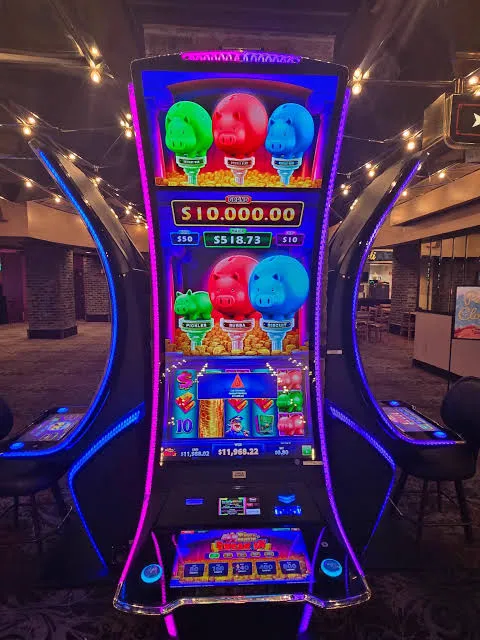
The afternoon matters too. Returning tired from a walk may change everyone’s appetite for another activity; our garden outing plan leaves space for that adjustment. A quiet screen break is another separate choice. The demo round article explains reading a display without treating it as a forecast.
Author’s opinion
I would judge a casino evening by how comfortable everyone feels at the final meeting, not by how many activities we fit in. An unhurried dinner and an easy goodbye can be enough. The best shared plan gives people permission to enjoy different things and still leaves a pleasant conversation to return to at the end.